
Insights
Whether you're looking for the best road trip routes or tips for driving in the dark, we've got you covered.

Sometimes, it’s impossible to know the full history of a car. With a mixture of questionable receipts, lacking service histories and sometimes missing repair work, getting an accurate look at your car’s condition is difficult.
When it comes to flood damage, drivers have a couple of options: scrap the car or pay a professional to fix it. But, what if there’s a third option?
Fixing a flooded car is tricky, but not impossible. Keep reading to find out how you can determine and fix a flood-damaged car.
Thankfully, there are a few clear indicators of flood damage within cars. Here’s how to spot a flood-damaged car:
An excess of humidity inside a car results in more moisture getting into trim pieces like carpets and mats. If your carpet is unusually damp or wet, it could be a sign of flood damage.
Not only are damp carpets uncomfortable, but they also have a distinct musty smell that will instantly tell you whether or not the car has been flooded.
While rust is found on almost every single car, flood-damaged cars will have a higher amount of it due to the increased amount of water exposure. If a car has more rust than usual, it is likely flood-damaged.
Many electrical faults within a car can be attributed to a loose connection that has happened over thousands of miles. However, in flooded cars, the pins within electrical connections become corroded and suddenly lose their conductivity.
If your car’s lights or infotainment system is failing, it could be a sign of water damage.
Your car is full of crevices and hard to reach areas, most of them are found within your climate control system. Turning on your car’s interior fans is another way of checking for water damage. If water comes out of the vents or your windows start steaming up, there might be water trapped within your car’s dashboard.
After identifying flood damage, it’s time to get it fixed. While some faults are complicated, there are some minor repairs that you can do at home to get your car ready for the road.
By far the easiest flood-damage repair that you can do is to address the humidity that has been left within your car’s interior.
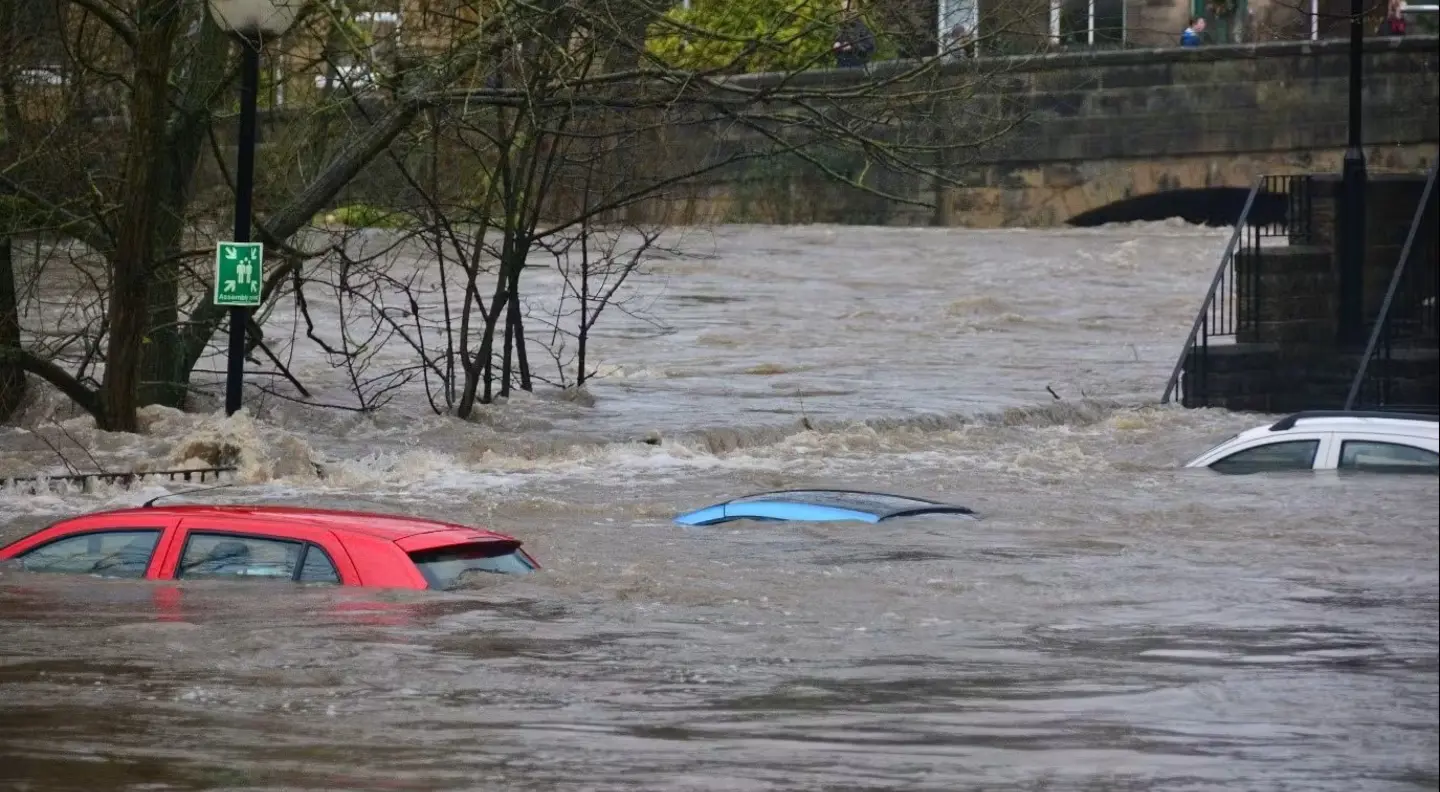
Some engine faults can only be fixed by professional mechanics. However, there are a few simple things you can do to diagnose engine failure that has been caused by flooding.
Disclaimer: Do NOT attempt to repair a car that has been flooded in saltwater. Saltwater causes irreversible damage and therefore cannot be repaired.
Ultimately, the cost of fixing a flooded engine will depend on your vehicle, its manufacturing year, and the extent of damage it has undergone. For this reason, it is incredibly difficult to provide an average price for a repair.
As a rule of thumb, cars that have experienced interior damage because of a flood are often too expensive to repair and should, therefore, be scrapped. However, minor flood damage could be as simple as draining the engine and replacing filters; at this point, owners can expect to pay upwards of £500 for repairs.
Buying used cars can feel like a gamble, but thankfully, there are ways to get prepared.
On the MotoNovo blog, we cover the whole process of buying, maintaining and financing a car. Read through our articles to get a headstart on the process, while being mindful of any potential roadblocks on the way.
Whether you're looking for the best road trip routes or tips for driving in the dark, we've got you covered.

Keep your vehicle in top shape with these need to know car maintenance guides.

From HP to PCP, find out all you need to know about car finance.